Oct 25, 2025
Understanding Market Volatility and Investor Psychology
Understanding Market Volatility and Investor Psychology
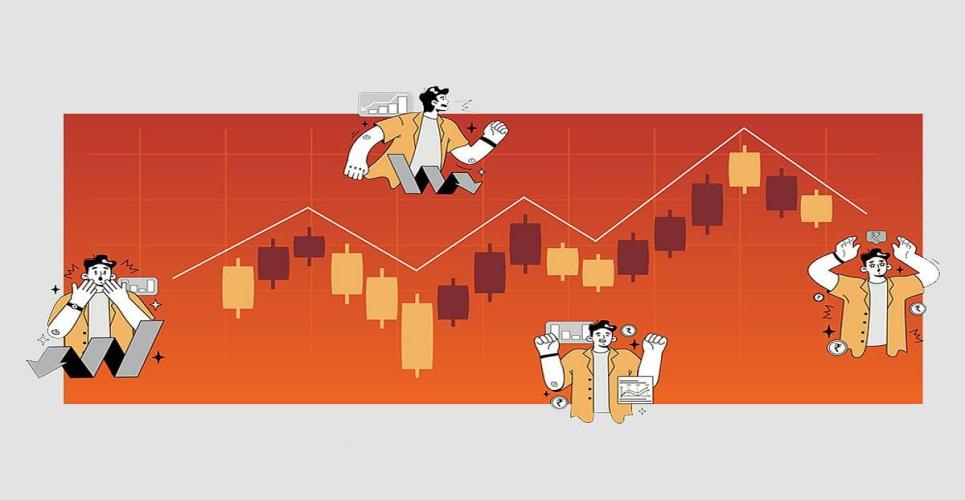
Financial markets do not move in a straight line. Prices rise, fall, and sometimes change rapidly in response to economic news, company results, interest-rate decisions, and shifts in investor sentiment.
These movements are commonly associated with market volatility. Understanding volatility—and the emotions it can trigger—can help investors approach financial decisions more carefully.
What Is Market Volatility?
Volatility describes the degree to which an asset's price fluctuates over a period of time. An asset with large and frequent price movements is generally considered more volatile than one with relatively stable prices.
Volatility does not tell the entire story of investment risk, but it can help investors understand how uncertain price movements have been.
Periods of volatility can occur when markets respond to unexpected information, changing economic expectations, or uncertainty about future conditions.
The Influence of Investor Psychology
Investment decisions are not always based on careful analysis. Emotions and cognitive biases can influence how people interpret information.
Fear of missing out: Investors may rush into an asset because its price has risen rapidly or because others appear to be making money.
Loss aversion: People often feel the pain of a loss more strongly than the satisfaction of a comparable gain. This can influence decisions about when to sell or hold an investment.
Herd behavior: Investors may follow popular opinions or market trends without independently evaluating the underlying risks.
Overconfidence: A series of successful decisions can lead investors to underestimate uncertainty or take risks they do not fully understand.
Recognizing these tendencies can help people develop more consistent decision-making habits.
Can AI Help Interpret Market Movements?
AI-powered analytical tools can process market data, track selected indicators, and flag unusual changes. Some systems can help categorize market conditions or summarize information for further review.
However, a model cannot reliably predict every sudden market event. A pattern found in historical data may not continue, and automated signals can be wrong.
AI-generated insights should therefore be treated as analytical inputs, not instructions that must always be followed.
Developing a More Disciplined Approach
Investors can prepare for uncertain markets by defining their objectives, establishing reasonable limits on risk, diversifying appropriately, and avoiding decisions driven solely by short-term emotion.
It can also help to establish review criteria in advance. A clear process may make it easier to evaluate new information without reacting impulsively to every price change.
Investors should remember that choosing not to act immediately can be a valid decision when more information is needed.
Conclusion
Market volatility is a normal feature of investing, and investor psychology can influence how people respond to it. AI tools may help organize and interpret information, but discipline, realistic expectations, and an understanding of personal financial circumstances remain essential.
Latest blogs

Why Financial Education Matters in...
25 Oct 2025
The Future of Digital Finance: AI,...
25 Oct 2025
How to Build a Diversified Investme...
25 Oct 2025
Understanding AI-Powered Investment...
25 Oct 2025